
EPP Dunnage Boxes: The Smart Solution for Safe and Reusable Industrial Packaging
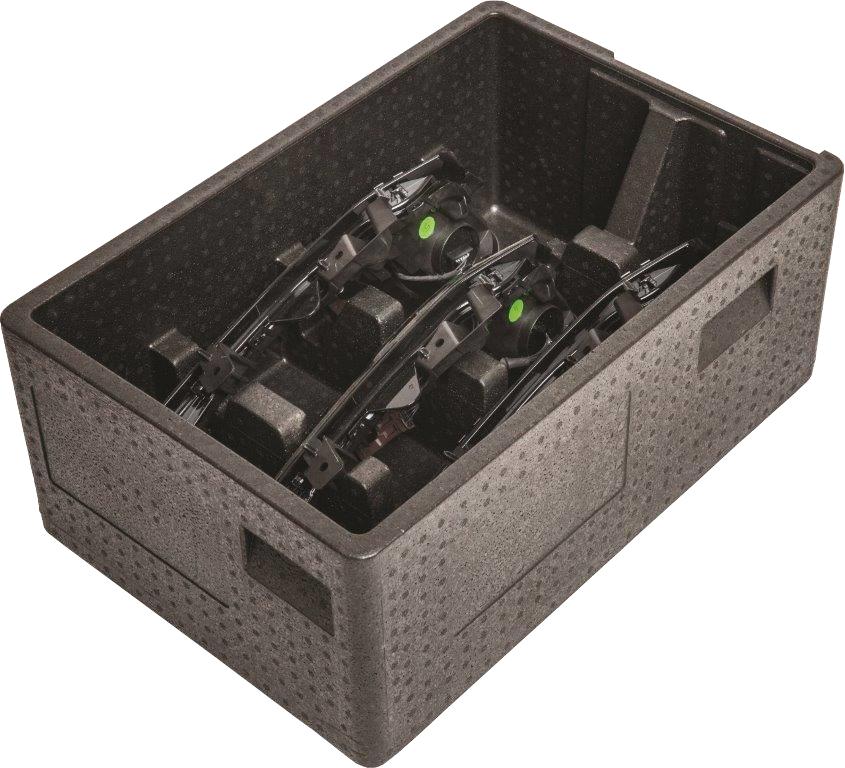
In modern manufacturing and logistics, protecting products during storage and transportation is essential. Industries such as automotive, electronics, aerospace, and consumer goods require durable packaging solutions that can safeguard components while reducing operational costs. Expanded Polypropylene (EPP) Dunnage Boxes have emerged as an ideal solution, offering superior protection, lightweight construction, and long-term reusability. What Are EPP Dunnage Boxes? EPP Dunnage Boxes are specialized packaging containers made from Expanded Polypropylene foam. Designed to securely hold and protect products, these boxes feature custom compartments and inserts that prevent movement and damage during transit. Their lightweight yet robust construction makes them suitable for repeated use across supply chains. Benefits of EPP Dunnage Boxes Excellent Product Protection EPP provides outstanding shock absorption and impact resistance, helping protect delicate and valuable components from damage during handling and transportation. Lightweight Yet Strong Despite being extremely lightweight, EPP offers exceptional structural strength, reducing transportation costs while maintaining product safety. Reusable and Cost-Effective EPP Dunnage Boxes can be reused multiple times without losing their protective properties, making them a sustainable and economical packaging solution. Customizable Design These boxes can be tailored with custom inserts, compartments, and dimensions to fit specific products and packaging requirements. Moisture and Chemical Resistance EPP is resistant to moisture, oils, and various chemicals, ensuring reliable performance in demanding industrial environments. Environmentally Friendly Being reusable and recyclable, EPP packaging contributes to waste reduction and supports sustainable business practices. Applications of EPP Dunnage Boxes Why Industries Prefer EPP Dunnage Boxes Manufacturers and logistics providers prefer EPP Dunnage Boxes because they offer an excellent balance of protection, durability, and efficiency. Their reusable nature helps businesses lower packaging costs while minimizing environmental impact. The lightweight design also improves handling and reduces shipping expenses. Why Choose Park Non Woven? Park Non Woven offers high-quality EPP Dunnage Boxes designed to meet the diverse needs of modern industries. Our solutions are engineered for maximum product protection, durability, and operational efficiency. We provide customized EPP packaging solutions that help businesses optimize their logistics processes while ensuring product safety. Visit https://parknonwoven.com/ to explore our complete range of EPP packaging solutions. Conclusion EPP Dunnage Boxes are transforming industrial packaging by providing a reusable, lightweight, and highly protective solution for transporting valuable products. Their durability, customization options, and sustainability benefits make them an excellent choice for businesses seeking reliable and cost-effective packaging systems.
EPP for Cold Chain Supplies: Reliable Temperature-Controlled Packaging Solutions
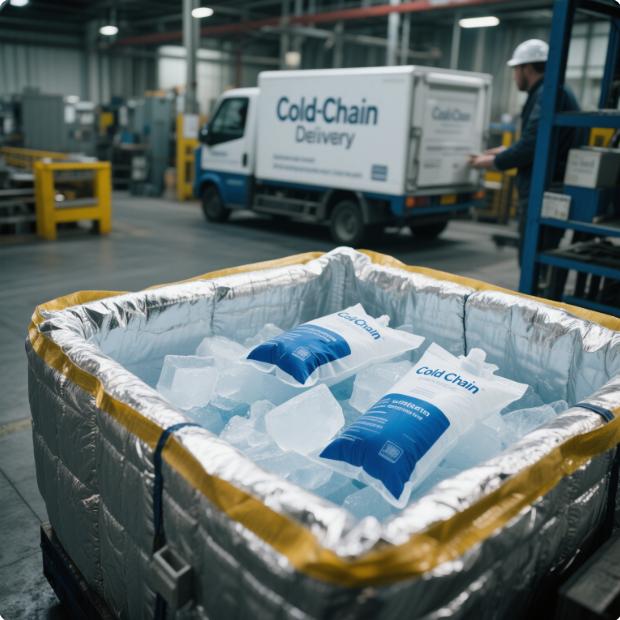
Maintaining product quality during transportation is critical for industries dealing with temperature-sensitive goods. From pharmaceuticals and vaccines to fresh food and dairy products, the cold chain plays a vital role in ensuring products reach their destination safely. Expanded Polypropylene (EPP) has emerged as one of the most effective materials for cold chain packaging due to its superior thermal insulation, durability, and sustainability. What is EPP? Expanded Polypropylene (EPP) is a lightweight, closed-cell foam material known for its excellent thermal insulation, impact resistance, and reusable nature. Its unique structure helps maintain stable temperatures for extended periods, making it an ideal choice for cold chain logistics and transportation. Benefits of EPP for Cold Chain Supplies Superior Thermal Insulation EPP offers outstanding insulation properties that help maintain the required temperature range throughout the transportation process. This is essential for preserving the quality and effectiveness of temperature-sensitive products. Lightweight and Durable Despite its lightweight nature, EPP is highly durable and resistant to impacts. This ensures that products remain protected during handling, storage, and transit. Reusable and Sustainable Unlike single-use packaging materials, EPP containers can be reused multiple times without compromising performance. This reduces packaging waste and supports environmentally responsible logistics operations. Moisture and Chemical Resistance EPP is resistant to moisture, chemicals, and bacteria, making it suitable for transporting food products, pharmaceuticals, and medical supplies that require hygienic packaging conditions. Cost-Effective Solution The durability and reusability of EPP packaging significantly lower long-term operational costs by reducing replacement frequency and product losses caused by temperature fluctuations. Applications of EPP in Cold Chain Logistics Why Choose Park Non Woven? At Park Non Woven, we provide high-quality EPP packaging solutions designed to meet the demanding requirements of cold chain logistics. Our EPP products offer exceptional thermal performance, durability, and sustainability, ensuring safe transportation of temperature-sensitive goods across various industries. Whether you require reusable insulated containers, customized packaging solutions, or specialized cold chain products, Park Non Woven delivers reliable and efficient solutions tailored to your business needs. Learn more about our innovative EPP solutions at https://parknonwoven.com/ Conclusion As the demand for safe and efficient cold chain transportation continues to grow, EPP packaging has become a preferred choice for businesses seeking reliable temperature control, product protection, and sustainability. With its superior insulation, durability, and reusability, EPP helps maintain product integrity while reducing environmental impact and operational costs.
Activated Carbon Filter Media: Advanced Filtration for Cleaner Air & Water
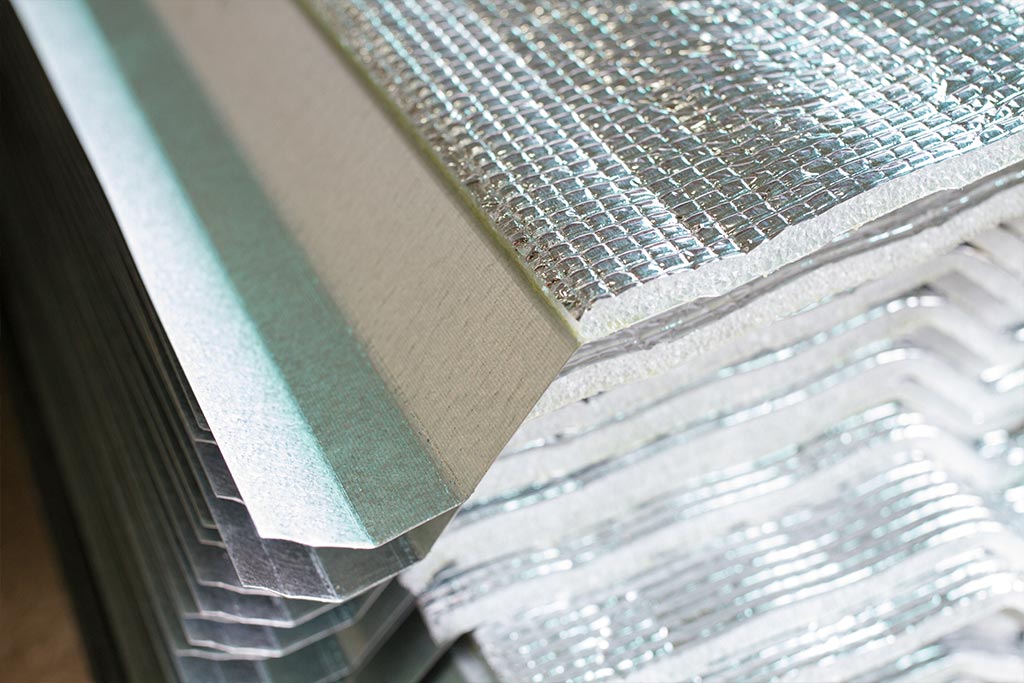
In today’s world, where air and water quality are becoming increasingly important, Activated Carbon Filter Media plays a crucial role in ensuring safe and clean environments. Known for its powerful adsorption capabilities, this filtration solution is widely used across industries to remove impurities, odors, and harmful chemicals. At Park Non Woven, we provide high-quality filtration materials designed to meet modern industrial and environmental standards. What is Activated Carbon Filter Media? Activated Carbon Filter Media is a specialized filtration material made by embedding activated carbon particles into non woven fabric. Activated carbon has a highly porous structure that allows it to trap contaminants through adsorption, making it extremely effective for purification. This media is widely used for removing: Key Benefits of Activated Carbon Filter Media 1. Excellent Adsorption Capability Activated carbon can capture even microscopic impurities, ensuring high filtration efficiency. 2. Odor Removal Highly effective in eliminating unpleasant smells from air and water systems. 3. Improved Air & Water Quality Helps maintain healthier environments in both residential and industrial spaces. 4. Durable & Long-Lasting Designed for extended usage without compromising performance. 5. Eco-Friendly Solution Supports sustainable filtration with minimal environmental impact. Applications of Activated Carbon Filter Media Air Filtration Systems Used in: Water Purification Ideal for: Automotive Industry Used in cabin air filters to improve air quality inside vehicles. Industrial Use Applied in chemical processing, pharmaceuticals, and manufacturing units for contamination control. Why Choose Park Non Woven? With deep expertise in non woven technology, Park Non Woven offers: Our focus is on delivering materials that enhance efficiency while maintaining environmental responsibility. 👉 Explore our full range of filtration and non woven solutions at Park Non Woven: https://parknonwoven.com/ The Future of Filtration As pollution levels rise and quality standards become stricter, the demand for advanced filtration solutions like activated carbon media is set to grow rapidly. Its versatility and efficiency make it a preferred choice across industries. By choosing reliable partners like Park Non Woven, businesses can ensure cleaner processes, safer environments, and better performance.
Non Woven Battery Gauntlets: Reliable Protection for Industrial Battery Applications
In industries where battery performance and durability are critical, the role of protective components becomes extremely important. One such essential component is the Non Woven Battery Gauntlet, designed to enhance battery life, efficiency, and safety. At Park Non Woven, we specialize in manufacturing high-quality non woven materials that meet the demanding requirements of battery industries. Our battery gauntlets are engineered to deliver consistent performance and long-lasting protection. What Are Non Woven Battery Gauntlets? Non Woven Battery Gauntlets are tubular structures made from specially designed non woven fabric. They are primarily used in lead-acid batteries to hold active material in place and prevent shedding during battery operation. These gauntlets act as a protective barrier around the positive plates, ensuring: Key Benefits of Non Woven Battery Gauntlets 1. Enhanced Battery Life By preventing active material shedding, gauntlets significantly increase the lifespan of batteries. 2. High Porosity for Better Performance The non woven structure allows efficient electrolyte flow, ensuring optimal battery reactions. 3. Strong Mechanical Support These gauntlets provide excellent strength to withstand long charge-discharge cycles. 4. Corrosion Resistance Designed to resist harsh chemical environments inside batteries, ensuring durability. 5. Consistent Quality Uniform fabric structure ensures reliable and stable battery performance. Applications of Battery Gauntlets Lead-Acid Batteries Widely used in: Energy Storage Systems Essential for maintaining efficiency in backup power and renewable energy storage systems. Telecom & UPS Systems Ensures long-lasting and stable performance in critical power backup applications. Why Choose Park Non Woven? With years of expertise in non woven manufacturing, Park Non Woven offers: Our commitment to innovation helps industries achieve better battery efficiency and reliability. 👉 Discover more about our non woven solutions at Park Non Woven The Future of Battery Protection As the demand for reliable energy storage solutions continues to grow, components like non woven battery gauntlets will play a crucial role in improving battery performance and longevity. By choosing high-quality materials from trusted manufacturers like Park Non Woven, businesses can ensure superior performance and long-term value. Final Thoughts Non Woven Battery Gauntlets are a vital component in modern battery systems. Their ability to enhance durability, efficiency, and safety makes them indispensable across industries. If you’re looking for dependable and high-performance non woven solutions, Park Non Woven is your trusted partner in delivering excellence.
Vacuum Insulated (VIP) Panels: The Future of High-Performance Insulation
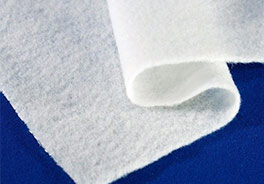
In today’s fast-evolving industrial landscape, energy efficiency and thermal performance are no longer optional—they are essential. One of the most advanced solutions leading this transformation is the Vacuum Insulated Panel (VIP). Known for its exceptional insulation capabilities, VIP technology is redefining standards across industries such as construction, logistics, refrigeration, and packaging. At Park Non Woven, we are committed to delivering innovative material solutions that enhance efficiency, sustainability, and performance. Let’s explore how VIP panels are changing the game. What Are Vacuum Insulated Panels (VIPs)? Vacuum Insulated Panels (VIPs) are high-performance insulation materials that consist of a core material enclosed in a gas-tight envelope, from which air is evacuated to create a vacuum. This vacuum significantly reduces heat transfer, making VIPs far more efficient than traditional insulation materials like fiberglass or foam. Key Benefits of VIP Panels 1. Superior Thermal Insulation VIPs offer up to 5–10 times better insulation than conventional materials. This makes them ideal for applications where space is limited but high insulation is required. 2. Space-Saving Design Due to their high efficiency, VIPs can achieve the same insulation performance with much thinner panels. This is particularly beneficial in: 3. Energy Efficiency By minimizing heat transfer, VIP panels help reduce energy consumption, leading to: 4. Lightweight Yet Durable Despite their advanced structure, VIPs are lightweight and easy to handle, making installation more efficient. Applications of VIP Panels Construction Industry VIPs are increasingly used in walls, roofs, and flooring systems where space and insulation efficiency are critical. Cold Chain & Logistics They play a crucial role in maintaining temperature-sensitive goods such as: Appliances Used in refrigerators and freezers to improve energy ratings while maintaining compact designs. Packaging Solutions VIP-based packaging ensures long-duration thermal protection during transit. Why Choose Park Non Woven for VIP Solutions? At Park Non Woven, we combine innovation with quality to deliver materials that support advanced insulation technologies like VIP panels. Our expertise in nonwoven materials ensures: We understand the growing demand for efficient insulation and are continuously working to support industries with cutting-edge solutions. 👉 Explore more about our offerings and solutions here:🔗 https://parknonwoven.com/ The Future of Insulation As industries move toward sustainable and energy-efficient solutions, Vacuum Insulated Panels are set to become the gold standard. Their unmatched performance, combined with space efficiency, makes them a preferred choice for modern applications. By partnering with industry leaders like Park Non Woven, businesses can stay ahead in adopting next-generation insulation technologies. Final Thoughts Vacuum Insulated Panels are not just an upgrade—they are a revolution in insulation. Whether it’s improving energy efficiency, optimizing space, or ensuring temperature control, VIPs deliver unmatched value. If you’re looking to integrate advanced insulation solutions into your business, now is the time to explore VIP technology with trusted partners like Park Non Woven.
What is a Cabin Air Filter and Why Polyester (PET) Spunbond Media is Important
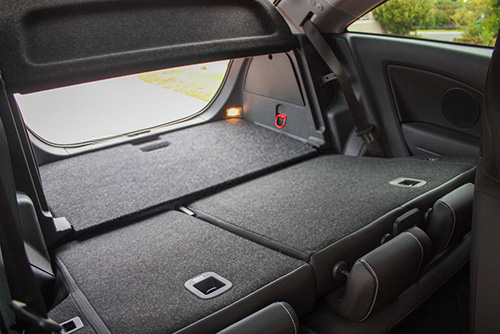
Introduction A cabin air filter is an essential component in modern vehicles that helps maintain clean and healthy air inside the car. It filters dust, pollen, soot, and other airborne particles before the air enters the passenger cabin, improving air quality and passenger comfort. Cabin air filters are widely used in automotive HVAC systems to ensure that drivers and passengers breathe fresh and contaminant-free air. Companies like Park Nonwoven manufacture advanced filtration materials such as Polyester (PET) Spunbond nonwoven media, which are widely used in cabin air filters for efficient filtration and durability. What is a Cabin Air Filter? A cabin air filter is designed to remove harmful contaminants such as dust, pollen, bacteria, and pollutants from the air entering the vehicle. This filter is usually made from synthetic or nonwoven materials that trap particles while allowing clean air to pass through. The filter works as part of the vehicle’s heating, ventilation, and air conditioning (HVAC) system, ensuring that the air circulating inside the vehicle remains clean and safe for passengers. Role of Polyester (PET) Spunbond in Cabin Air Filters Polyester (PET) spunbond is a commonly used nonwoven material in automotive filtration systems. It provides high strength, durability, and excellent air permeability, making it ideal for use in cabin air filter media. Key advantages of PET spunbond filter media include: These properties help cabin air filters maintain efficient performance for longer periods. Key Features of Cabin Air Filter Media High Dust Holding Capacity Cabin air filter media can capture large amounts of dust and contaminants while maintaining airflow. Efficient Air Filtration Modern filter media can trap very fine particles, improving the air quality inside the vehicle cabin. Low Pressure Drop Nonwoven filter media allows smooth airflow through the HVAC system without restricting ventilation. Long Service Life High-quality materials like PET spunbond ensure durability and consistent filtration performance. Applications of Cabin Air Filter Media Cabin air filter media is widely used in various automotive filtration systems, including: Automotive manufacturers rely on high-performance filtration media to ensure better air quality inside vehicles. Why Choose Park Nonwoven Cabin Air Filter Media Park Nonwoven provides advanced nonwoven filtration materials used in automotive applications. Their cabin air filter media is designed to deliver reliable filtration performance and durability. Key advantages include: Conclusion Cabin air filters play a crucial role in maintaining clean and healthy air inside vehicles. High-performance materials such as Polyester (PET) Spunbond nonwoven fabrics help improve filtration efficiency, durability, and airflow performance. By using advanced filtration materials, manufacturers can ensure better air quality and improved passenger comfort. With its expertise in nonwoven materials and filtration technologies, Park Nonwoven continues to provide innovative solutions for automotive filtration and industrial applications.
What is Breather Fabric and Its Role in Composite Manufacturing
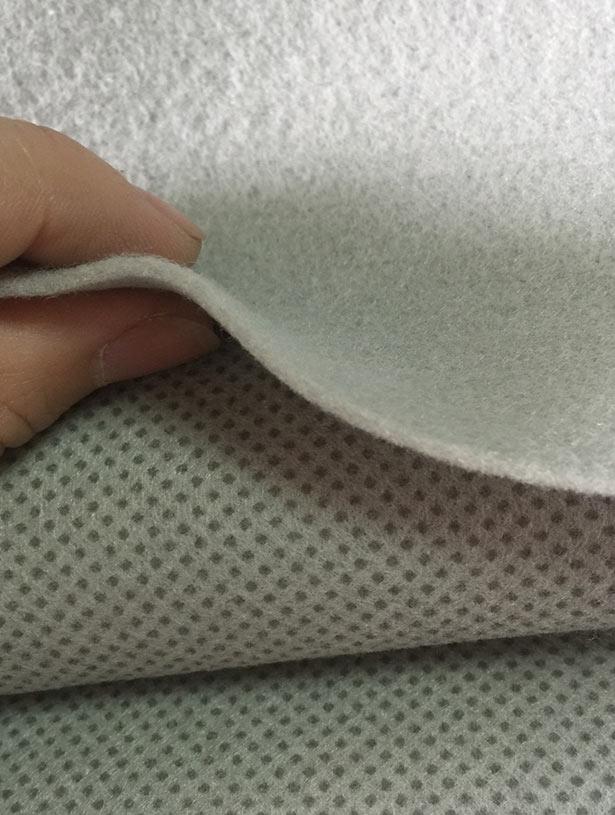
Introduction Breather fabric is an important material used in composite manufacturing and vacuum bagging processes. It helps maintain airflow and ensures proper resin distribution during the production of composite components. Industries such as aerospace, automotive, marine, and wind energy widely use breather fabric to improve the quality and durability of composite materials. Park Nonwoven provides high-quality breather fabric designed for industrial applications where efficient airflow, resin absorption, and structural performance are essential. What is Breather Fabric? Breather fabric is a nonwoven material typically made from polyester fibers that allow air and gases to pass through during vacuum bagging. It helps remove trapped air and excess resin from composite laminates while maintaining uniform pressure across the entire surface. Because of its breathable structure, breather fabric helps manufacturers produce high-strength and defect-free composite products used in various industrial sectors. Key Features of Breather Fabric Excellent Air Permeability Breather fabric allows consistent airflow during the vacuum bagging process, ensuring proper evacuation of air from composite laminates. Resin Absorption The fabric absorbs excess resin during curing, which helps maintain the correct resin content in composite materials. Heat Resistance Breather fabrics can withstand high curing temperatures used in composite manufacturing processes. Flexible and Lightweight The nonwoven structure allows the fabric to conform easily to complex shapes and surfaces. Applications of Breather Fabric Aerospace Industry Breather fabric is widely used in aerospace composite manufacturing to produce lightweight and high-strength structural components. Automotive Manufacturing Automotive companies use breather fabric during composite molding processes for high-performance vehicle parts. Marine Industry In the marine sector, breather fabric is used to manufacture durable composite boat parts and structures. Wind Energy Wind turbine blades often use composite materials manufactured with breather fabric to achieve high strength and reliability. Why Choose Park Nonwoven Breather Fabric Park Nonwoven manufactures high-performance nonwoven materials designed for advanced industrial applications. The company focuses on delivering reliable filtration and composite manufacturing materials that meet modern industry standards. Their breather fabric solutions are designed to offer: Conclusion Breather fabric plays a crucial role in composite manufacturing by allowing airflow, absorbing excess resin, and ensuring uniform pressure distribution during vacuum bagging. High-quality breather fabrics help industries produce stronger and more reliable composite materials. With advanced manufacturing capabilities and industry expertise, Park Nonwoven continues to provide innovative nonwoven materials designed to support modern industrial and composite manufacturing processes. To learn more about high-quality Breather Fabric, explore our industrial material solutions.
What is Fire Barrier Cloth?

Fire barrier cloth is a specialized textile material designed to resist high temperatures and prevent the spread of flames. It is commonly manufactured using high-performance fibers and nonwoven materials that offer excellent thermal insulation and fire resistance. These materials are engineered to maintain structural stability even under extreme heat conditions. Because of these properties, fire barrier cloth is widely used in industries where fire safety and heat protection are essential. Key Features of Fire Barrier Cloth 1. High Temperature Resistance Fire barrier cloth can withstand high temperatures without melting or losing its structural integrity. This makes it ideal for environments where heat exposure is frequent. 2. Flame Retardant Properties The material slows down or prevents the spread of fire, helping protect equipment and surrounding structures. 3. Durable and Long Lasting Fire resistant textiles are designed to maintain their performance over long periods, even in harsh industrial environments. 4. Lightweight and Flexible Despite its protective properties, fire barrier cloth is lightweight and flexible, making it easy to install and use in different applications. Industrial Applications of Fire Barrier Cloth Manufacturing Industry Fire barrier cloth is used in manufacturing plants to protect machinery, insulation systems, and safety barriers from high temperatures. Automotive Industry In the automotive sector, fire resistant textiles are used in engine compartments, insulation layers, and safety components. Construction Sector Construction companies use fire barrier materials to enhance building safety and comply with fire protection regulations. Power Plants and Energy Industry Power generation facilities often use fire resistant fabrics to protect equipment and improve operational safety. Benefits of Using Fire Barrier Cloth Improved SafetyFire resistant materials help reduce the risk of fire damage in industrial facilities. Thermal ProtectionThey provide effective insulation against heat and high temperatures. Cost EfficiencyUsing protective materials helps reduce equipment damage and maintenance costs. Compliance with Safety StandardsIndustries can meet fire safety regulations more effectively. Conclusion Fire barrier cloth plays an essential role in modern industrial safety systems. With its high temperature resistance, flame retardant properties, and durability, it provides reliable protection in environments where fire hazards are a major concern. Industries that prioritize safety and efficiency increasingly rely on advanced fire resistant materials to protect their operations and infrastructure. For high-quality Fire Barrier Cloth, explore our advanced industrial solutions designed for safety and performance.
Covid-19 in 2020-21 – PP Melt Blown Filter Media – Why it is the best Nonwoven Medium for Face mask in COVID19 Times
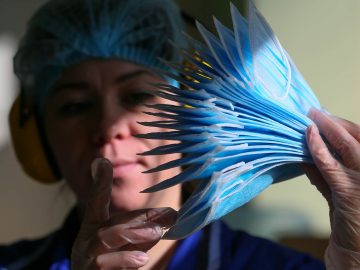
In these unprecedented times, it is needless to say that high-quality air filtration media that are used in masks is high on priority. Owing to which Meltblown technology [PP Meltblown filter media] has seen a rising demand graph, especially within the medical and hygiene industry. Besides, the unique characteristics of melt blown filter media by the process of forming a web from molten polymers without stretching make the technique extraordinary and very cost-efficient. With respect to the alarming current global health scenario [COVID 19] the number of infected cases is rising across globe, that too, very steeply, making the demand for protective measures, like facemasks constantly rising, for the last couple of months. Due to the extraordinary absorbent properties of the PP Meltblown nonwoven fabric fibers, they are considered a wonderful raw material for preparing disposable surgical and N95 facemask media. Surgical and N95 Masks manufacturers across the globe are looking for good quality melt blown non-woven filter media to supply facemasks to the healthcare/ pharma and hygiene industry. Here, let us know more about the basics of melt blown technology, the raw materials used to prepare nonwoven filter media, its benefits, and its applications. What is Melt blown technology? Melt blown non-woven technology is one of the supreme and highly advanced techniques to prepare strong, unique, and dynamic filter media. The key ingredients used are thermoplastic resins/ PP that have significant absorption and cohesive properties. What is the Melt blown manufacturing process? In the first step, the thermoplastic resin is heated to a semi melting temperature. Once it is melted, the raw material is forced out immediately through an extruder designed with a large number of holes, it is placed very close in the order of 1000-4000 holes per meter. These holes are created either by mechanical drilling or direct fusion of two plates that contain etched channels. The pore size is designed to ensure better filtration efficiency and making sure that it should not require additional support from another web. The melted dye will be supplied by a metering pump. This device is designed to ensure the flow of clean polymer mix consistently with unique variation in temperature and viscosity whenever required. High-velocity blowers are placed at specific angles outside the extruder ensuring a fine stream fiber. The polymer goes through three different heating zones. The thermoplastic resin in this manner change into endless fibers that are ultra-thin and long and it all happens in the matter of milliseconds. When compared to the spunbond manufacturing process, the meltblown process stands out due to the hot air that immediately converges with fiber the moment the fiber emerges out from the die, ensuring a continuous stream of fibers that are softer and bulkier. Mostly, the meltblown fiber making technology is used to create ultra-thin fibers that are many times finer than normal human air. It ranges from 10µm to 120µm. This process is extremely advantageous in comparison to other systems for creating microfibres. What are the few most important raw materials used for nonwoven filter media? Especially in these times of pandemic, a high-quality PP meltblown nonwoven filter media is the utmost material to manufacture high quality, high filtration, and hygiene material, starting from N95 mask media to surgical masts, to body coverall and other hygiene material required by frontline workers and other medical staff. Choosing the right material is quite tricky though. The choice of material depends upon the molecular weight distribution and how easily it can be turned into fine fibers. The most common polymer used for meltblown technology is Polypropylene commonly known as PP. there are other several varieties such as polyester, polyamide, and polyethylene but that depends on the need. PP – Polypropylene – How is it helpful for melt blown fiber manufacturing? Polypropylene or PP is the most common raw material for PP melt blown technology. It is primarily used in vacuum cleaners, cabin aircraft filters in aircraft, air filters applications wherever fine grain of dust needs to be absorbed, and most prominently the Filter Mask Media. It is possible to electrostatically charge the filters made from Polypropylene to enhance the particle removal ability. Key Application areas of Melt blown Fibres Melt blown nonwoven fiber generation technologies are unique. As we already know that micro-denier fibers are less than 0.1 deniers per filament. With meltblown fabric manufacturing of fibers in this range, various options for its applications become available in a wide range of sectors. Various industries are served by this product as prime raw material, owing to its unique characteristic feature, nature, and quality of the fiber. Popular Applications Areas of Meltblown Fabrics: Medical – Healthcare Industry: Especially During these COVID times, products such as sterilization wraps, Body Coveralls, Disposable Gowns, PPE Kits, and surgical and protective gowns have been one of the most significant application areas of Melt blown Non-woven Fabrics. Melt-blowing technology is also used to prepare fibers or media to help in controlled drug delivery systems. One of the major segments in the medical and healthcare industry that extensively utilizes melt blown filters is the production of surgical face masks and N95 and N99 respirators filter media. The excellent absorption qualities of the fibers, make it possible for the surgical masses to protect from even the smallest airborne contaminants and playing a major role in the prevention of viral diseases. Filtration Mediums: As, filtration mediums is one of the largest applications of Melt blown filters in the industry. Mainly filtration media for liquids and gases and can be witnessed in water filters cartridge filters, Aircraft cabins, and more such places. Oil Absorption: Melt blown Nonwoven fabrics use prominent use in the oil industry owing to their absorption properties. Mostly, used to clear accidental oil spills. Apparels: Meltblown Nonwoven fabrics used in the market segments where thermals are used for thermal insulation purposes. Other Uses: Various other uses of Meltblown technology are seen in the production of goods such as – hot melt adhesives, computer discs, battery separators, tents, and many others. Advantages of using Meltblown filter Media: Final
What is Polypropylene Spunbond Nonwoven Fabric? Is PP Spunbond Nonwoven Fabric Biodegradable?
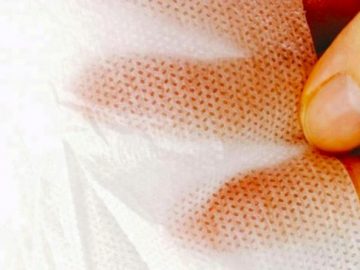
We wish to believe that there are not many people out there who are unaware of the benefits and usage of PP or Polypropylene. And why not, this thermoplastic polymer resin is one of the popular plastic varieties and plenty of industrial, commercial, household, healthcare, and fashion-textile applications. When it comes to the eco-friendliness of non-woven these have exceptionally popular and biodegradable and non-toxic options relative to the other alternatives. Let us analyze Polypropylene, non-woven fabrics, and its benefits and biodegradability in detail. Let us begin from understanding the polymer from the scratch by understanding: What is Polypropylene? Polypropylene is a multi-variety plastic with the addendum that it is among those varieties in which the toll on the environment is the least. This is the reason why Polypropylene is one kind of polymer gaining popularity across industries due to its inert properties and environment-friendly features. What are the best features of Polypropylene? Some of the best features of Polypropylene are: Owing to these immensely benefits you can understand why polypropylene is much popular material with innumerable applications across industries globally. What is Polypropylene Spunbond Nonwoven Fabric? Spun laid commonly known as Spunbond Nonwoven fabric are made up of the continuous process of fibres spun and directly dispersed into a web-like deflector or can be directed with air streams. This process leads to a faster belt speed. Mainly, these are prepared in a sheet or web structures bonded by entangled fibres or filaments by thermal or chemical treatments, as required by the Spunbond Fabric Supplier or Spunbond Fabric Manufacturer. Non-woven polypropylene fabric is thermoplastic polymer like PP or Polypropylene; however, it is manufactured to look non-woven. It has main applications in non-woven bags, interlining, healthcare coveralls, masks, filters, etc. It is gaining rising popularity in the healthcare and fashion industry. With new gaining policies sweeping the globe in their attempt in reducing plastic pollution, non-woven bags and packaging materials is the new norm prevailing in many countries. Is Polypropylene Spunbond Non-woven Fabric waterproof? Being low linear density polyethylene [LLDPE] with a high branching ratio, it has good flexibility, water permeability, resistance, softness, and low-temperature resistance and it also has features like being water-resistance/ waterproof. Characteristics of Polypropylene Non-woven Spunbond fabric – Waterproof Traits: What are the characteristics of Polypropylene Dewatering Non-Woven Fabric? PP dewatering Non-woven fabric has strong impermeability, high tensile strength, flexibility, good stability, strong deformation compatibility, wide temperature range, long service life, non-toxic, strong deformation compatibility, with chemical resistance, corrosion, mildew, and ozone properties to sum up. What are the best Applications of Polypropylene Dewatering Non-Woven Fabric? Owing to its high applications in a variety of industries and most critical ones it is high in demand across industries. Is Spunbond Non-woven Fabric Eco-friendly – Biodegradable or recyclable? It is often a point of discussion that whether the non-woven fabric is biodegradable or not? In most cases, it depends upon the types of nonwoven made from various types of fibres. The type of fiber primarily determines whether a nonwoven fabric is biodegradable or not. In most cases, Spunbond Polypropylene fabric is used in most of the day-to-day applications. And as against popular notion, PP or polypropylene is not biodegradable, having said that Spunbond can be produced with biodegradable fibres; however, it is a small market as biodegradable fibers are twice as expensive as Polypropylene. Nonwoven bags are recyclable. Hence, it can be claimed that nonwoven bags are environmentally friendly. Spunbond polypropylene fabrics do not harm the environment and they are environment friendly than plastic products. This question of whether PPE is eco-friendly or not is nothing new. Although science and experience claim that this material is among the most sustainable ones, we have at present to cater to a variety of industries for various applications. However, this is just a silver lining the entire picture is rather grim. PPR items still reach landfills instead of recycling plants although some companies are taking initiatives and taking steps forward. There are UN Sustainable Development goals also for which many companies are working collectively.